Top Winnipeg Roofing Trends to Watch This Year
Winnipeg winters bite, summers bake, and spring thaws test every seam and shingle. If a roof can survive here, it can probably handle just about anywhere. That is why the smartest winnipeg roofing trends this year are less about novelty and more about hard-nosed durability, better building science, and details that keep water moving in the right direction. Homeowners are looking for roofs that shrug off hail, resist ice dams, and age gracefully through fifty-degree temperature swings. Contractors are adapting with materials and methods tuned to the Prairies, not borrowed from milder coasts.
I reroofed my first Winnipeg bungalow in a week that swung from sleet to sunshine. The shingles we tore off were barely six years old, cupped and cracked from heat and UV, with valleys chewed by ice. The replacement used a different playbook: impact rated shingles, wider eave protection, real ventilation, and flashing I could sign my name to. That job stuck with me because it captured the local lesson: what works in Winnipeg is not the cheapest line on the quote. It is the system that treats your roof like a weather-facing machine.
What the climate demands, and how that shapes choices
winnipeg roofingStart with the environment. The city sees winter lows near minus 30 Celsius and heat waves over plus 30. Snow comes in bursts, then shifts with wind. Roof planes drift, valleys collect, and all that weight wants to melt and refreeze along the eaves. On top of that, storms now bring more frequent wind events and the occasional hail that dents anything soft. Average annual snowfall runs about a metre, sometimes more, and sun exposure can be brutal on south and west faces.
Those conditions tilt the table toward certain materials and methods. Asphalt shingles are still king, but not the same three-tab you remember from your first house. Modified asphalts resist cracking in the cold. Heavier laminates stand up better to wind. Metal is no longer just for farm buildings; standing seam is stepping into residential blocks, particularly where low-slope roof sections complicate things. Underlayments and membranes, once an afterthought, are now central to a system that keeps meltwater out of the sheathing when a warm February chinook hits.
Here is a simple checklist to keep in a pocket when reviewing options.
- An impact rating that actually matters in a hailstorm, not just marketing fluff
- Eave protection that reaches past the warm wall line, not barely to the fascia
- Ventilation sized to the attic volume, with a real path for air to move
- Fasteners specified for wind zone and substrate, not generic nails in a rusty coffee can
- Flashing details that consider Winnipeg snow load and drift, especially around walls and chimneys
Impact rated shingles are the new normal
Class 4 impact rated shingles used to be a niche upsell. Lately, they have become the default for many winnipeg roofing crews. That is not because they are indestructible. Hail is chaotic, and size and angles matter, but these shingles use thicker mats and modified binders that resist bruising and cracking far better than budget lines. In practice, that means fewer leaks after a storm and a smaller chance your insurer declares a full replacement after every ice ball that lands on your eaves.
Look for SBS modified asphalt if you want extra cold-weather flex. I have bent plenty of samples in the yard. At minus 10, a standard laminate can feel like a tortilla chip. An SBS shingle, especially when warmed just a little in the sun, will still conform to slight dips in old sheathing. That matters at rake edges and along the ridge where corners want to lift. The trade-off is cost, usually a few hundred dollars more on a typical bungalow. When you spread that over two or three decades, it is the kind of math that helps you sleep better during a thunderstorm.
One caution: impact rating does not guarantee wind performance, so do not ignore the nailing zone and manufacturer’s wind warranty. I have seen beautiful Class 4 roofs lose tabs because someone drifted outside the double-laminated strip in a rush. Spend the extra five minutes setting your gun and chalk lines, and your shingles will earn their keep.
Metal gains ground, quietly
Metal roofing used to raise eyebrows on quiet streets, but the aesthetic has caught up. Matte finishes and lower profile standing seams blend cleanly with mid-century bungalows and newer infills. In Winnipeg’s climate, metal’s main appeal is how it handles freeze-thaw and hail. It does not soften under summer heat the way asphalt can, and a quality standing seam sheds water fast even when snow tries to tuck behind it.
A few field notes help separate myth from practice:
- Noise inside is usually a non-issue when installed over solid decking with an underlayment. I have replaced shingles with steel on River Heights homes, and the homeowners reported no increase in sound during rain.
- Snow guards are not optional. Winnipeg roofs dump snow in sheets, and a polished steel surface makes that more dramatic. Guards break the slab into smaller pieces so you are not burying your front steps in March.
- Fastener choice matters. Exposed fastener systems can work on garages and outbuildings, but residential standing seam with concealed clips avoids the long-term maintenance of gaskets and screws that see UV and movement.
Metal carries a higher upfront price, often two to three times asphalt, and not every house needs it. If your roof has a lot of hips, dormers, or intersecting valleys, the flashing labor eats into the metal advantage. On simpler gables, especially ones with a low slope that challenges shingles, metal earns its keep over 40 to 60 years with very little upkeep beyond the occasional debris sweep.
Ice dam defense grows up
The most Winnipeg sentence I can write about roofing: membrane alone will not fix an ice dam. Peel-and-stick at the eaves is critical, but it is only one leg of a three-legged stool. The others are attic ventilation and insulation, both aimed at keeping the roof deck cold so snow does not melt from below.
Eave protection should extend at least 600 millimetres past the interior warm wall line, which usually means two full courses of membrane from the fascia up, sometimes three on low slopes. Valleys get full-width self-adhered membrane, not just a strip down the centre. Where I see contractors get into trouble is at sidewalls. A properly woven or step-flashed wall detail, with a kickout at the base, saves gallons of water over its lifetime. Without it, meltwater tracks into stucco or siding and shows up months later as a mysterious stain on your ceiling.
Ventilation is the other non-negotiable. Winnipeg attics can turn into humid caves when we seal houses tight for winter. I have pulled damp batts that weighed double their dry weight. Soffit intake must be clear, baffles at the eaves should hold a channel above insulation, and exhaust should be balanced at the ridge or with high-mounted vents. That bungalow I mentioned earlier had beautiful new shingles and membrane, but its soffits were painted shut. We opened the intake, added proper baffles, and the next winter the homeowner sent me a photo of clean eaves with no ice lip. The membrane probably helped, but the airflow did the heavy lifting.
Synthetic underlayments and high-temp membranes earn their place
Old-school felt still has fans, but synthetics dominate on my crews for three reasons: traction, tear resistance, and stability under UV if the job gets weathered. A good synthetic underlayment lays flat and gives roofers a safer surface on steep pitches. More importantly for homeowners, it does not turn into lacework if wind hits before shingles go down.
In hot sun, Winnipeg decks can reach temperatures where lesser membranes slump. High-temperature rated self-adhered membranes are a small upcharge that pay off around chimneys, under metal, and on south-facing valleys. I have come back to roofs after a few seasons and found cheap membranes crept downhill under a standing seam panel. That is not the seams’ fault; it is the wrong spec underlayment.
Solar ready, even if you are not going solar yet
Solar panels love cold air and clear skies, both abundant here. The hesitation often comes from snow coverage, racking penetrations, and the roof’s remaining life. The trend I am seeing is simple: build roofs solar ready, then add panels when the numbers or incentives make sense.
That means a few smart moves during the re-roof:
- Confirm your framing spacing is consistent and note truss or rafter locations. Your future installer will thank you.
- Use high-quality flashings at all current and planned penetrations. Leave room on south and west planes for arrays without crowding vents.
- Choose shingles or metal with manufacturer literature that plays nicely with solar clamps and hardware. A standing seam with tested mid-clamps avoids dozens of penetrations. On shingles, mount flashings that integrate under the underlayment, not just surface seals.
Snow management matters too. Panels can act like a slick roof over a rough one, so plan snow guards and safe shedding paths. I have one Transcona homeowner who went with a lighter shingle this year and set aside the south plane for a 6 to 8 kW array next summer. We laid out the venting and boots accordingly, and the electrician left a route for conduit into the attic.
Color choices: darker is not always worse
For years, roofs here skewed dark. Black and charcoal hide algae and match brick. Heating degree days outnumber cooling by a lot in Winnipeg, so a slightly warmer roof is not necessarily a penalty. Still, sun-driven heat ages shingles and raises attic temps in August. Lighter mid-tones are gaining ground because they look sharp and run a few degrees cooler in peak sun.
If you are drawn to darker shades, ask for algae-resistant granules. They add a modest cost but keep your south face from streaking green over time. In a neighborhood of older elms, those AR shingles are worth it. I have stripped roofs on the same block where the only difference was an algae-resistant spec, and the cleaner roofs looked five years younger.
Smarter scheduling and weather windows
Here is a quiet trend: patience. Crews are pushing shoulder seasons less because it costs them callbacks. Self-sealing shingles want consistent warmth to bond. You can hand-seal tabs with dabs of asphalt in cold weather, but it is painstaking and easy to miss. Good contractors in the winnipeg roofing scene are booking main tear-offs between late April and early October, then saving small repairs or metal installs, which are less temperature-sensitive, for colder weeks.
If you must re-roof in late fall, demand a plan for hand-sealing and extra fasteners at rakes and ridges. Ask for photos. I once sealed every ridge cap on a gable before the first freeze, then came back in spring to confirm the seal. That costs more, but it prevents wind lift events in January when no one wants to be on your roof.
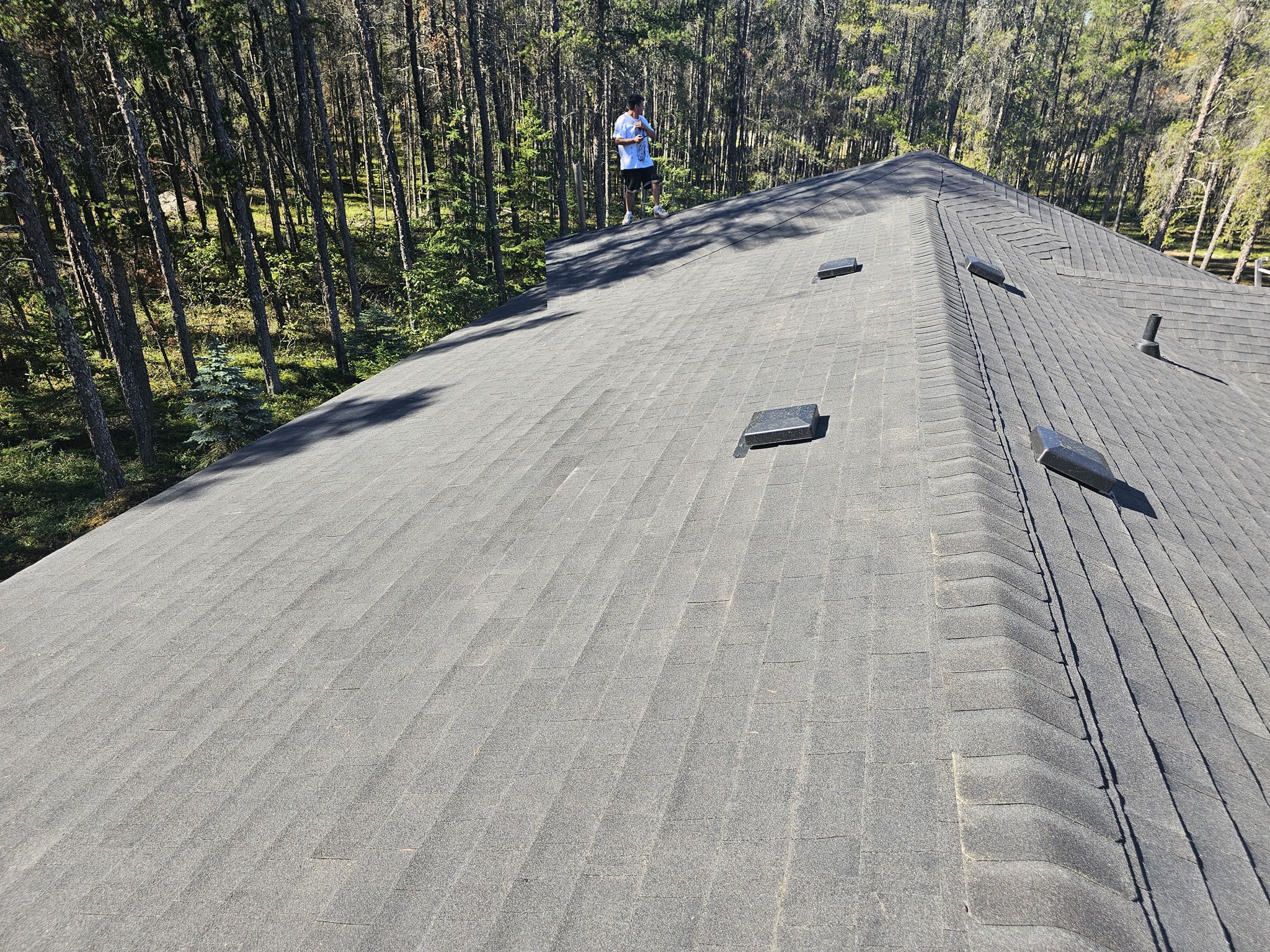
Flat roofs on additions and garages: choices that fit the cold
Not every Winnipeg home is a simple gable. Many have low-slope sections over additions or garages. This is where materials diverge:
- SBS modified bitumen, often torch-applied, handles cold flex well and takes foot traffic. The risk is obvious around wood structures. More contractors are shifting to cold-applied adhesives to reduce fire risk.
- EPDM does nicely in cold climates and stays elastic for decades, but seams and flashing details require neat workmanship. Dark EPDM will absorb heat, which can help melt, but accelerates aging without ballast or coating.
- TPO and PVC reflect heat and can keep interior spaces cooler, nice over a bright sunroom. They want experienced hands for heat welding in variable Prairie winds.
On garages that see ladders, snow blowers, and the occasional holiday lights install, I favor SBS or a fully adhered EPDM for resilience. Over heated additions near bedrooms, a white TPO might reduce heat gain. The trend is not one-size-fits-all; it is selecting the membrane like you would a winter coat, based on use and exposure.
Better flashing details at walls and chimneys
You can hear a roofer’s experience level in how they talk about flashing. Step flashing, counter flashing, kickouts, and cricket sizes are not glamorous, but they decide whether your living room drywall survives the thaw.
This year I am seeing more pre-bent, heavier-gauge metal on sidewalls and around large chimneys. That is a direct reaction to drifting snow and melt. A proper cricket on the uphill side of a chimney bigger than about 750 millimetres is not overkill. It keeps water from pooling and ice from welding to the brick. Kickout flashings where a roof meets a wall above a gutter prevent rivers from carving into stucco. If you have ever seen a brown streak on a garage wall under a short eave, a missing kickout is probably the culprit.
Venting that actually moves air
Ventilation is not just vent count. It is a pathway. Soffit intake, baffles, and exhaust have to work as a team. This year, more crews are upsizing baffles to full-depth, high-flow versions that allow a thicker blanket of insulation while preserving airflow at the eaves. Ridge vents play nicely with balanced intake, but only if your attic has a clear channel above the insulation. I have crawled over more than one attic where the soffit was covered in fluffy fiberglass, all good intentions and no air. It takes discipline to hold that channel open. When done right, attic humidity drops, sheathing stays dry, and ice dam risk falls.
Insurance and hail: making choices that age well on paper
Insurers have adjusted to hail-prone regions, and Winnipeg is no exception. Some offer premium credits for Class 4 shingles. Others have raised hail deductibles or moved to actual cash value on older roofs. The trend for homeowners is to make choices that protect not just the roof but their policy.
Here is the play: document materials, keep photos of the underlayment and membrane before shingles go on, and save the invoice that lists the impact rating. When a storm hits, adjusters move faster with clean records. Also, talk to your broker about how a metal roof is treated under your policy. I have seen cases where a steel roof meant fewer claims, but also longer adjustment debates because dents are cosmetic. flat roof Winnipeg Set expectations now, not after a storm.
Warranties that matter, and the fine print
Manufacturer warranties can look like alphabet soup. Lifetime limited, 50-year limited, non-prorated periods, and wind ratings that assume ideal installation. The trend I appreciate is contractors registering enhanced warranties that extend non-prorated coverage, sometimes 10 to 15 years, on both material and labor when you use a full system with branded underlayment, starters, and vents.
A practical note: workmanship warranties from local contractors usually land in the 5 to 10 year range. Ask what triggers a visit, how they handle small leaks, and whether the warranty transfers on sale. A good roofer will answer without squinting, and will put it in writing.
Picking color and profile to match the block
Winnipeg neighborhoods have strong architectural rhythms. Crescentwood loves a cedar impression. Charleswood blends well with medium grays and warmer ridge caps. Newer infills in St. Boniface often pull off a clean black metal plane against white stucco. The trend is to choose a shingle profile or panel that whispers rather than shouts.
Architectural laminates with varied shadow lines hide minor decking waves common in older homes. Metal with a 16 to 18 inch panel width and a modest seam keeps proportions tidy. Avoid overly busy patterns near large uninterrupted wall faces; winter light makes chatter look louder. I keep a set of sample boards and take them onto the roof at midday. The difference between a catalog swatch and the way granules read in full Prairie sun can be dramatic.
Skylights and sun tunnels, now built for snow
Daylighting is back in fashion, and manufacturers have responded with flashing kits built for high-snow regions. The biggest change from a decade ago is curb height and the way water is managed around the opening. A taller curb and a wide, step-flashed kit with ice-and-water membrane wrapped well up the curb walls prevent meltwater from sneaking under the frame.
Sun tunnels work nicely in hallways and baths where a full skylight would fight framing. The trick is insulating the tunnel well through the attic and air sealing at the ceiling, or you will frost the lens in January. I have retrofitted two last winter with better tunnel wrap and saw the frosting vanish on the next cold snap.
The quiet star: better fasteners and nails that actually hit wood
This is not glamorous, but the trend toward ring-shank nails, correct length, and careful placement deserves a cheer. Winnipeg sheathing on older homes can be patchy, with board sheathing under newer plywood. A fastener that bites and holds through seasonal movement prevents lifted tabs in spring winds. Crews using nail guns with depth adjusters set to just dimple, not cut, the shingle mats are saving homeowners a world of hurt five years out. If you hear a crew chief checking gun depth at the start of a run, you hired well.
A quick look at shingles, metal, and membranes
If your eyes glaze over reading spec sheets, you are not alone. Here is a condensed field guide to the big categories, based on how they behave over a Winnipeg year.
- Architectural asphalt: Economical, widely available, and proven. Go for SBS-modified, Class 4 if hail worries you. Expect 20 to 30 years in real life with good ventilation. Keep an eye on south faces after year fifteen.
- Standing seam metal: Pricey, resilient, and sharp. Demands snow guards and precise flashing. Lifespan 40 years and up. Great for simple planes and low slopes.
- Rubber and polymer shingles: Niche but interesting. Handle hail well and emulate slate or shake. Heavier, so check framing, and cost can rival metal.
- Low-slope membranes: The right pick for flat sections. SBS or EPDM for toughness, TPO or PVC for reflectivity. Details matter more than material brand.
The hiring conversation: five things to verify
A roof is part material, part hands. The right crew is the difference between a roof that looks good on day one and one that still looks good after the third polar vortex. Before you sign, run through this short checklist.
- Ask for addresses nearby that are at least five years old, then drive by. Fresh work is easy; aging well is the trick.
- Confirm the plan for eave protection, valleys, and wall flashings in writing, with the exact membranes and metals named.
- Verify ventilation calculations. How many square inches of intake and exhaust, and where will baffles go.
- Nail schedule and fastener type, including how they set gun depth and handle cold-weather sealing if needed.
- Proof of insurance and a workmanship warranty with real terms, not a handshake and a smile.
What I am watching next
A few emerging threads are worth your attention over the next year or two. Synthetic slate and shakes tuned for cold weather are improving, and a couple of lines handle hail surprisingly well without the weight of natural materials. Integrated snow management is getting smarter, with lower profile guards and better layouts that avoid ice dams around them. Finally, expect more conversation about attic humidity and indoor air quality. As homes tighten for energy efficiency, roofs become the release valve. Contractors who can talk HVAC, vapor, and air movement along with shingles will have an edge.
If you are planning a re-roof this year, borrow a moisture meter and peek into your attic after a cold spell. Pull a few soffit pieces and make sure air flows freely. Take a drive in your neighborhood after a snowfall and look for roofs like yours that stay evenly snow covered without thick eave lips. That is the visual signature of a cold, well-vented deck. Then bring those observations to your contractor. The best winnipeg roofing jobs start with a homeowner who is curious and a crew that respects winter, wind, and water enough to plan for all three.
A final note from the field. The prettiest shingle in the catalog can become a headache if the substrates and details underneath are careless. I once opened a valley to find a perfect V of daylight where two old boards had shrunk apart. The last roofer had bridged it with felt and optimism. We replaced the boards, ran full-width membrane, and flashed the valley with metal under a woven shingle pattern. The next spring, the homeowner sent me a photo of the same valley under a thick April snow. Not a drop inside. That is the quiet satisfaction of a roof built for Winnipeg: it disappears into the background, season after season, while the weather tries its best.
Canadian Crafted Roofing And Renovations
314 Bond St, Winnipeg, MB R2C 1X5
+12042217663
https://cancrafted.ca/
Facebook